
On this episode, Professor Hatsuo Ishida, PhD of Case Western Reserve University, joins the show to discuss the development of next-generation composite materials engineered for deep-space travel. He shares the origin of their work with ultra-high molecular weight polyethylene (UHMWPE) with hydrogen-rich polybenzoxazine resins, and how these materials have been engineered into composites that integrate structural performance with radiation attenuation.
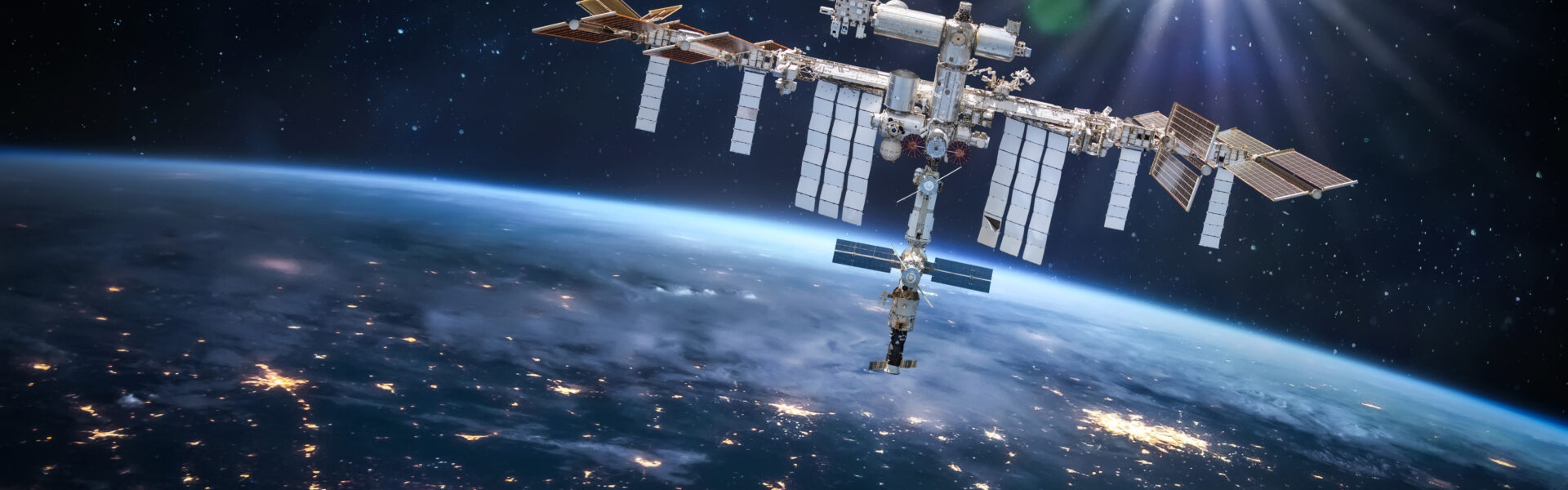
We also unpack the results from exposure on the International Space Station (ISS), where these composites were subjected to the harsh conditions of low Earth orbit for several months. Dr. Ishida explains how surface-level oxidation occurred without compromising bulk mechanical properties such as strength, density, and glass transition temperature.
The discussion highlights what these findings mean for long-duration missions and the future of spacecraft design, where materials may serve both as structure and protection. Looking ahead, we examine the remaining challenges in scaling these materials for deeper space environments and what it will take to validate them for missions beyond Earth orbit. You can read about their research at https://www.scribd.com/document/952673614/s42114-025-01451-6
Podcast: Play in new window | Download